
Self-Doubt in Business: When You Keep Waiting to Feel Ready
Apple | Spotify | Youtube
When you keep postponing work you care about, it can be difficult to tell whether you need more space or whether self-doubt is influencing the decision. Both were part of my experience. Stepping away gave me capacity I genuinely needed, but returning eventually required an honest look at the beliefs behind my repeated delays.
After recording 100 episodes of Her.Unlocked, I took an intentional pause. I thought I would turn the mic back on in a couple of months. Instead, almost two years went by. During that time, I continued learning, growing my business, and getting clearer about the work I wanted to share. I also found myself asking a question I could no longer brush aside: did I still need the pause, or was I holding myself back?
Why an intentional pause can be the right decision
When I first stepped away, I needed to be thoughtful about my capacity. There were other things asking for my attention, and I wanted room to consider how the podcast would fit into the next season of my life and business.
I was also developing my work as a practitioner and wanted to be more intentional about introducing subconscious work through this platform. I knew it mattered to me, but I had not figured out how I wanted to share it. Continuing to record while trying to answer that question did not feel like the right use of my energy.
Sometimes you make a hard decision about something that is still working. You can value a project and decide that, for this season, something else needs more of your attention. That was the reality of my original pause, and I still respect the decision I made then.
How self-doubt showed up beneath the delay
As the months passed, I kept waiting for the moment when I would feel ready. I was studying, working toward further training, and focusing on other parts of my business. There were real things happening in my life, but eventually I had to get curious about the pattern of continually pushing my return further away.
Would people actually listen? Could they learn anything meaningful about this work through a podcast? What was the point of turning the mic back on? Those questions revealed something beyond scheduling. I was questioning whether using my voice would matter.
For me, the pause had become a mixture of capacity, intention, and beliefs I needed to examine. Recognizing that mixture helped me be more honest with myself. I could acknowledge why I had stepped away while also taking responsibility for the reasons I continued to stay away.
If you recognize yourself in that experience, these are a few questions drawn from what I had to consider:
- What genuinely needs my attention in this season?
- What am I afraid might happen if I return?
- Am I questioning the value of the work, or whether my voice deserves to be heard?
- What do I want this project to make possible now?
These questions are an invitation to reflect. They are not a test that determines whether you should restart a project, and your circumstances may look very different from mine.
Revisiting the beliefs I carried about my voice
Earlier in my career, I received feedback about my voice. Looking back, I can see how I connected some of that feedback with the idea that my voice was too much or did not need to be heard in that way.
Now I see my voice as one of my gifts. My psychology background, work in human resources, and experience facilitating leadership development all connect with the work I do today. Speaking and teaching have been part of that path, even when I questioned whether I should keep showing up publicly.
My faith shapes how I understand this experience. I believe God has called me to use these gifts, and I came to see the impulse to quiet myself as something I needed to work through. Returning to the mic meant reconnecting with that purpose while acknowledging that I still felt nervous.
Taking responsibility when you cannot control the circumstances
One of the most meaningful shifts in my own work has been reconsidering what it means to take responsibility for my life. I used to believe I was already doing that. Looking back, I can recognize moments when I focused so much on what was happening around me that I lost sight of how I could respond.
Taking responsibility does not mean you can control another person, a diagnosis, or every circumstance you face. The question I return to is what I can do next, given the circumstances I cannot control. That question brings my attention back to the response available to me.
It also mattered when my family was presented with an unexpected opportunity to move. We had returned to Minnesota with the intention of staying there to raise our family. Leaving had not been part of the plan, and considering it brought uncertainty and grief about the life I thought we would have.
I also felt open to the possibility. In my experience, working with my beliefs and the parts of me that felt unsettled helped me consider that opportunity more fully. The decision still felt scary, but I could experience it as a door God was opening and listen to what felt right for our family.
Making room for self-connection alongside self-reflection
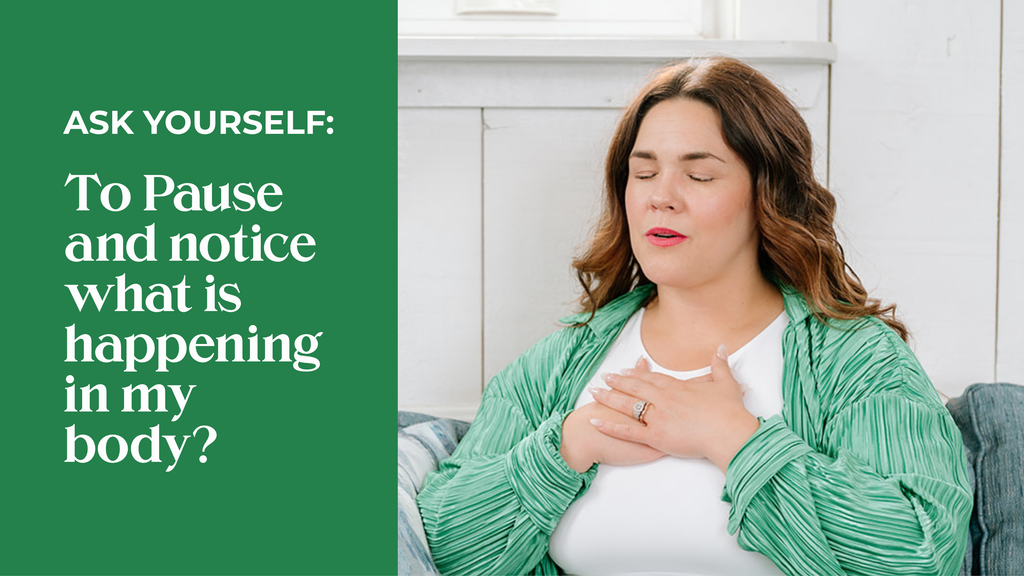
I want the work I share to include space for noticing your experience, rather than only thinking about what you might change. For me, that means making room for self-connection alongside the questions and insights that come through reflection.
One simple invitation I use is to pause and notice what is happening in my body. I might notice tension in my shoulders or jaw, take a breath, or pay attention to something that feels supportive, such as the ground beneath my feet. That moment gives me space to acknowledge what I am carrying before moving into the next conversation or decision.
Acceptance is part of that practice too. When I returned to recording, I wanted to welcome how the experience actually felt. I was excited and nervous at the same time. Allowing both feelings to be present helped me begin without needing the moment to look exactly as I had imagined it.
Returning to work that still matters to you
I am proud of the version of me who started the podcast and showed up for 100 episodes. I am also grateful for the space the pause created. Returning has given me an opportunity to bring those experiences together and get clearer about how I want to use my voice now.
If you have been away from something meaningful, you may have your own questions to ask about capacity, purpose, and the beliefs shaping your next decision. My story is one example of how those things can overlap. For me, moving forward began with being honest about all of them.
If your interest in this work also connects with how you want to support others, explore the Unlock Institute’s practitioner training. It is a place to learn more about the Institute’s approach and consider whether that path fits the work you want to do.
Hi, I'm Brittany! Certified Master Practitioner in Subconscious Reprogramming & Trauma-Informed Somatic Coach
behind the blog
I've always been told my voice fills a room, and spent a lot of my life trying to be a quieter version of me, until I decided to own it as the gift it was. Her.Unlocked is that voice, put to work: a place to go deeper than the strategy and meet who you've been waiting to become.

Ready to go deeper with this work?
Every episode opens the door. Here's how to walk through it.
Get coached
For the woman ready to experience this work for herself and feel the shift in her own life and business.
Get certified
For the coach, practitioner, or service provider ready to bring this work to the people she serves.


